
Yellow-legged Asian Hornets
Yellow-legged Asian Hornets are a threat to all pollinators, not just bees. With our proximity to the Channel, DDBKA members have been working hard over the last couple of years to set out traps and raise awareness to the public in our area.
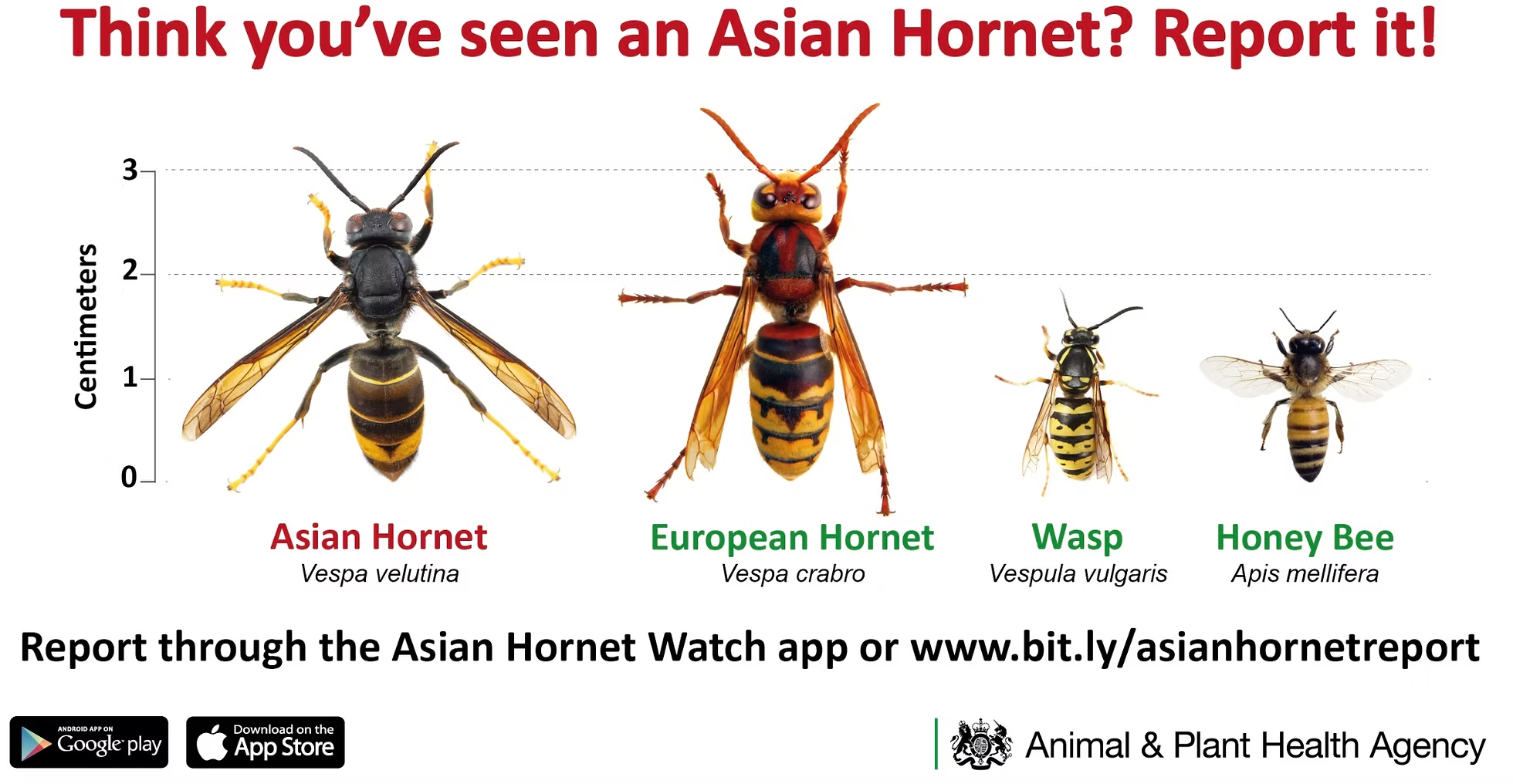
Identification
The Yellow-legged Asian Hornet (Vespa velutina) is smaller than our native European hornet. Key identifying features include:
- •Predominantly black body with a distinctive yellow or orange band on the fourth abdominal segment
- •Yellow legs (hence "Yellow-legged")
- •Dark thorax with a velvety appearance
- •Orange face (from the front view)
Why Yellow-legged Asian Hornets Are a Threat
Yellow-legged Asian Hornets pose a significant threat to:
- •Honey bees: They hunt bees to feed their larvae, often hovering outside hives to catch returning foragers
- •Other pollinators: They also prey on other beneficial insects including native wasps and hoverflies
- •Biodiversity: Their presence can disrupt local ecosystems and reduce pollination
DDBKA's Response
Due to our proximity to the English Channel, Dover and District is on the front line of Yellow-legged Asian Hornet monitoring. Our members are actively:
- •Setting out monitoring traps throughout the area
- •Raising public awareness about identification and reporting
- •Working with local authorities and the National Bee Unit
- •Training members in Yellow-legged Asian Hornet identification and response protocols
Further Information
For detailed information about Yellow-legged Asian Hornet identification, reporting procedures, and the latest updates, please visit:
BBKA Yellow-legged Asian Hornet InformationIf you have questions or concerns, please contact our Yellow-legged Asian Hornet Co-ordinator, Jackie Thomas, via: enquiries@ddbka.co.uk
⚠️ Spotted a Yellow-legged Asian Hornet?
If you think you have seen a Yellow-legged Asian Hornet, it's crucial to report it immediately. Early detection and rapid response are essential to protect our pollinators.
